Rugiatu Aisha Wurie
An exploration of how rap artists’ legal battles spark conversations about art, accountability, and morality—from the courtroom to the college campus.

Howard University students study and converse inside the Wayne A. I. Frederick Undergraduate Library.
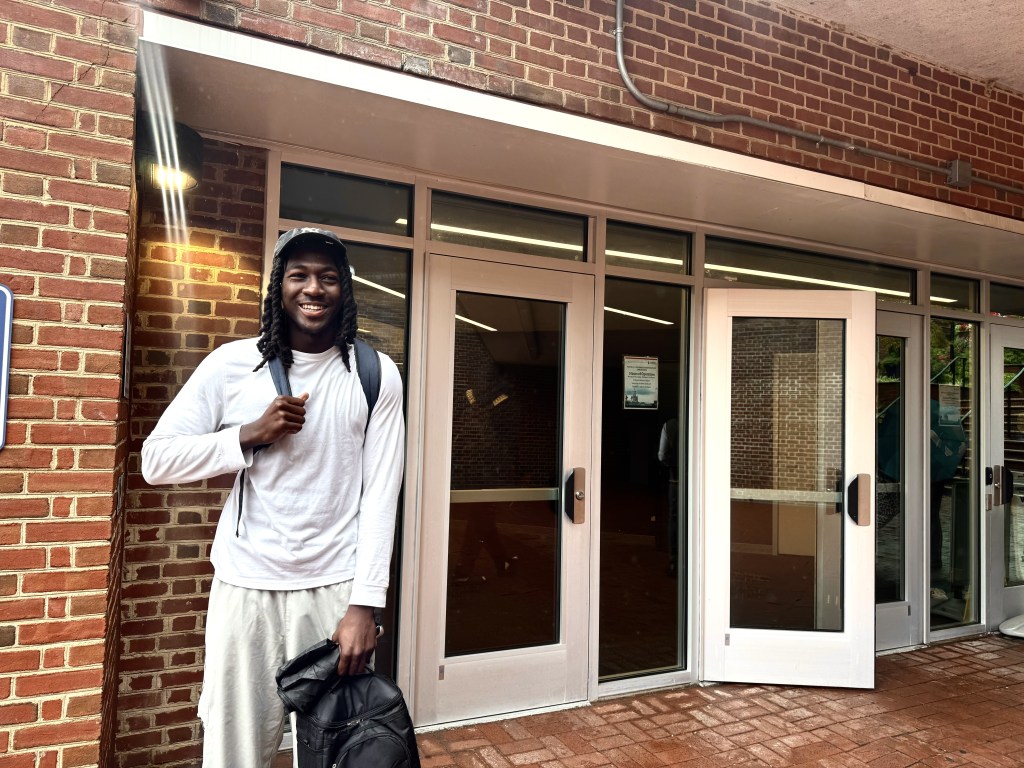
Justin Dunbar, a junior computer science major, is photographed smiling outside the Wayne A. I. Frederick Undergraduate Library on Howard University’s campus.
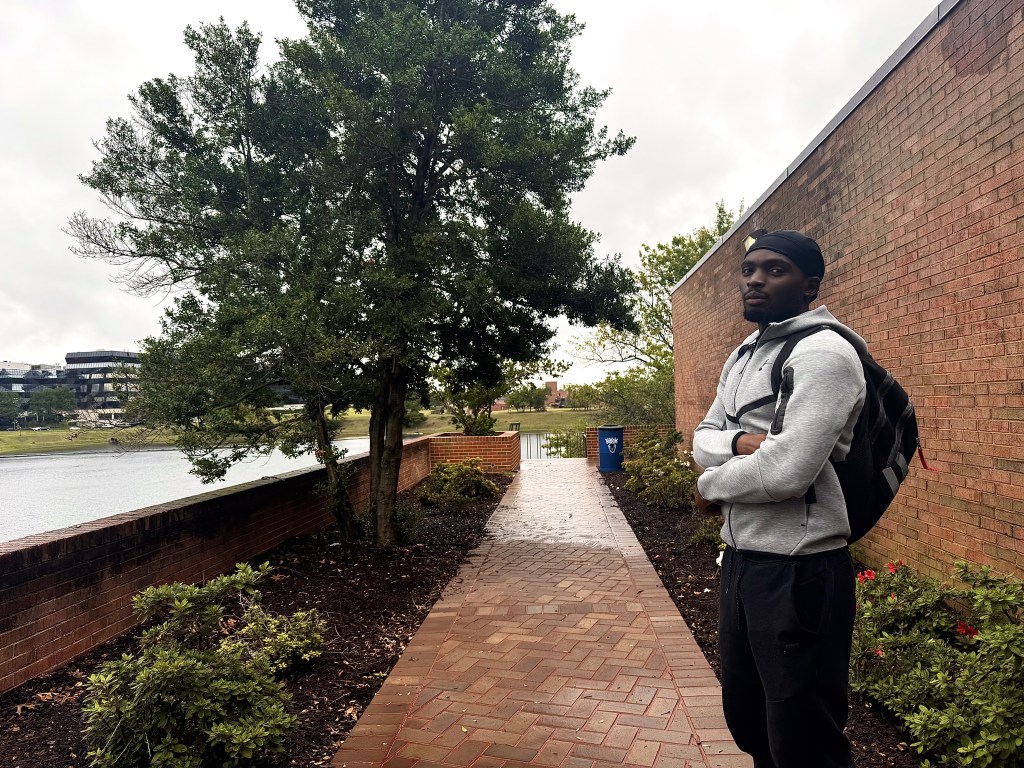
Ezekiel Wesonga, a junior economics major, is photographed outside Blackburn Café on Howard University’s campus.

Will Oglesby, a junior finance major, is photographed inside the Louis Stokes Health Sciences Library on Howard University’s campus.
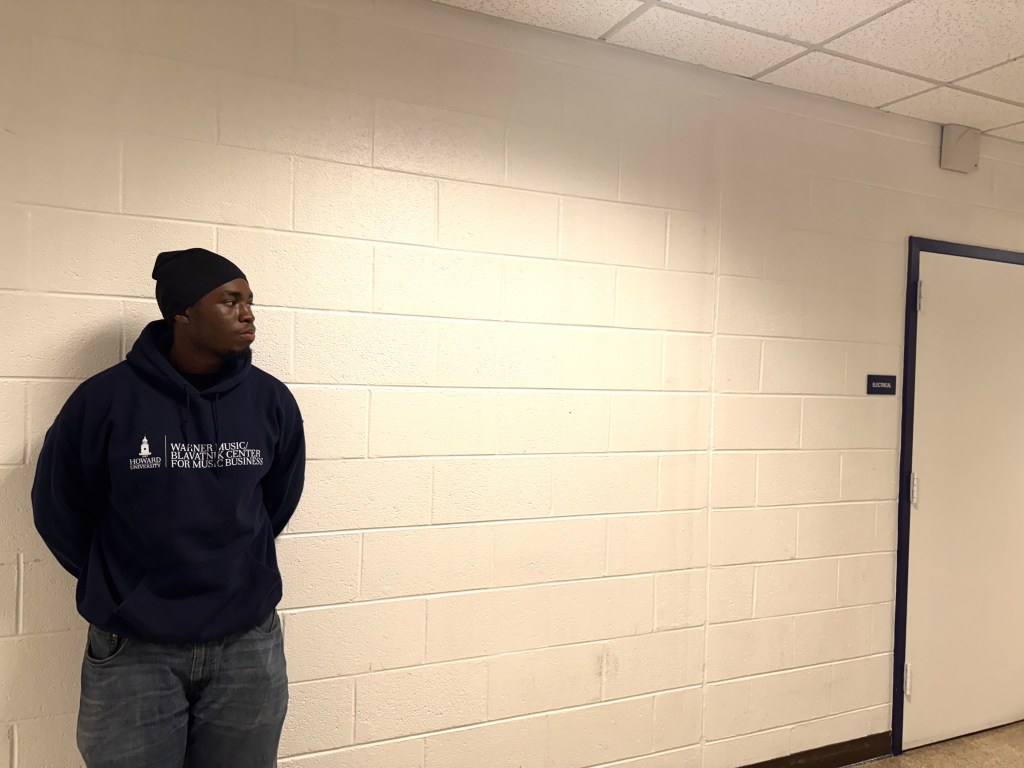
Hamid Kabia, a senior, is photographed at the Warner Music Blavatnik Center for Music Business on Howard University’s campus.
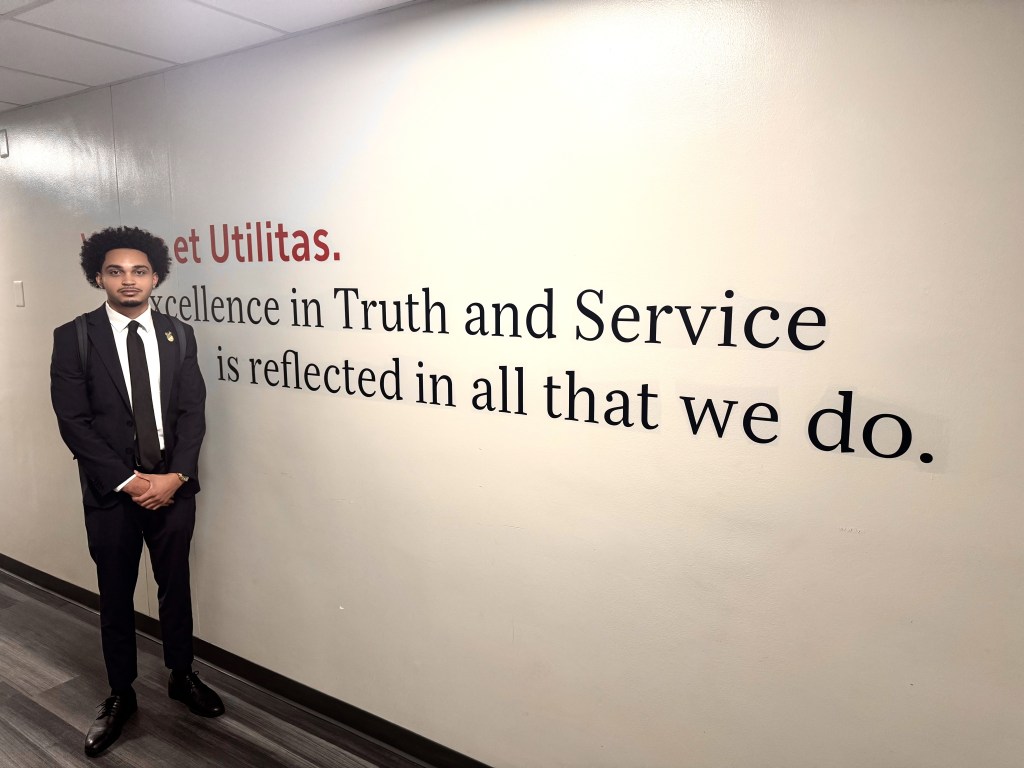
Treyvon Grahm, a junior supply chain major, is photographed inside Blackburn Café on Howard University’s campus.
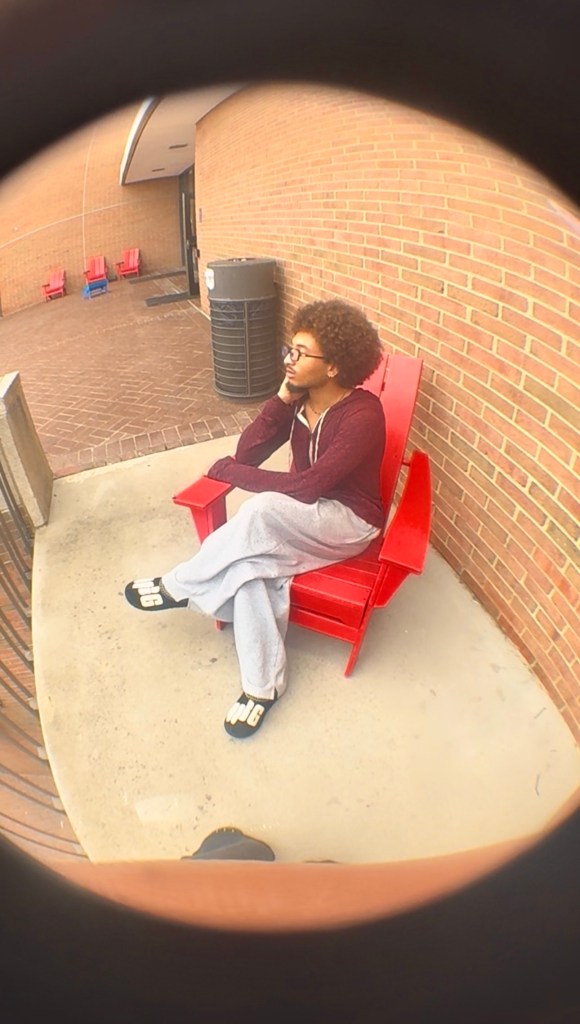
Savien Grant, a junior environmental studies major, is photographed on the terrace of Blackburn Café at Howard University.
Chicago native and Grammy Award-winning artist Lil Durk faced a horrific experience, almost being sentenced to life in prison without parole as a maximum sentence. His charges included five felony counts, including murder-for-hire resulting in death and conspiracy. His fans mercilessly advocated for the rapper throughout his trial across social media. His attorney was also heavily celebrated, as he recently won a RICO case aimed at rapper Young Thug, who was also facing a maximum sentence of up to 20 years in federal prison. The two rappers do not share much in common, despite coming from a similar rough upbringing, besides having the same lawyer.
Brian Steel is a high-profile American criminal defense attorney based in Atlanta, Georgia, widely recognized for representing major hip-hop artists and public figures in high-stakes federal and state cases. He also represented former NBA player Javaris Crittenton and music mogul Sean “Diddy” Combs.
While asking students on campus for their perspective, a bigger conversation emerged that expanded far beyond Lil Durk or Brian Steel. It was a question of morality. The line between an artist simply existing in their authentic form versus being viewed as a criminal or dangerous person was examined. Many students were flustered in finding a balance between these extremes. For fans of Lil Durk or Young Thug, the trial was a drastic example of the complicated relationship between an artist and the person behind the music.
For some students, the artist and their personal actions cannot be separated from the music they create. Their support of an artist can change depending on what they believe the artist has done and whether they feel comfortable continuing to support them. For others, music can exist separately from the person who created it. A song can hold personal memories and meaning that are not easily erased by an artist’s actions or legal troubles.
This same conflict can be applied to Brian Steel. While Steel is doing his job as a defense attorney, his high-profile cases have made him a recognizable figure outside of the courtroom. His ability to defend artists facing serious charges has caused some to celebrate him, raising another question: can someone be viewed as a hero for defending someone who is accused of being a dangerous person?
The conversation becomes even more complicated when a defendant is acquitted. A legal verdict determines whether the prosecution proved its case beyond a reasonable doubt, but it does not necessarily settle every question people may have about a person’s character. For fans, however, an acquittal feels like vindication.
Lil Durk’s trial became more than a conversation about one rapper. For Howard University students, it opened a larger conversation about morality, accountability, fandom and the complicated relationship between art and the artist. Whether students choose to separate the two or view them as inseparable. Yet the question remains, when we celebrate an artist, are we celebrating the art, the person, or both?


Leave a comment